
Dear Students, Colleagues, Trustees, and Friends of the College,
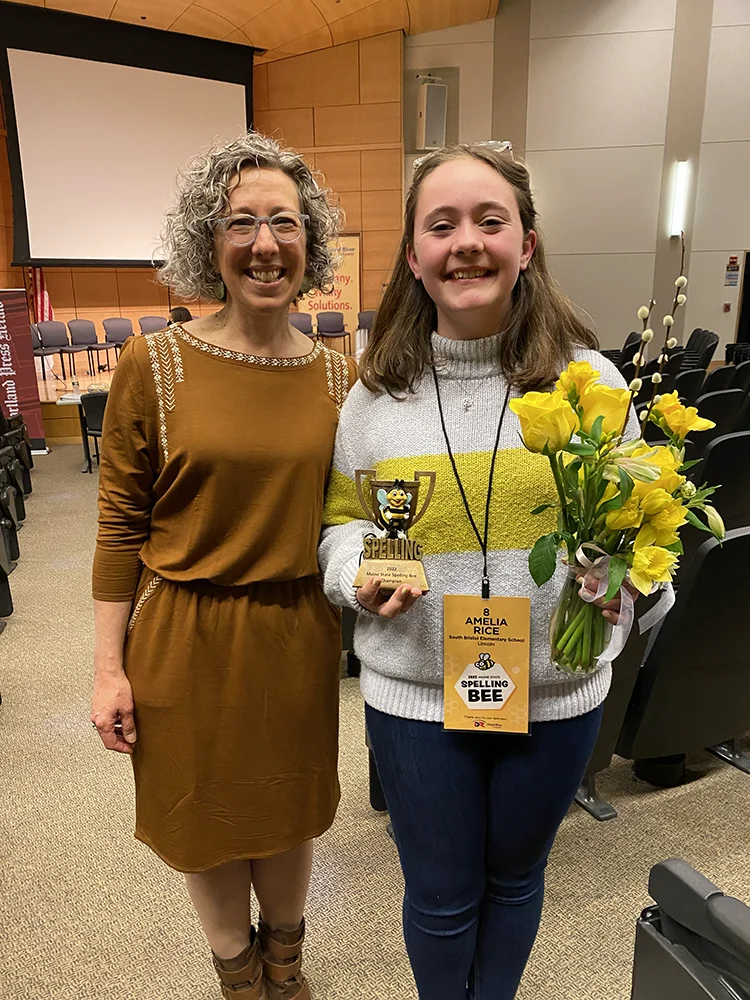
Last month you might have seen reporting about the Maine State Spelling Bee, the contest that determines which Maine student will represent our fine state at the Scripps National Spelling Bee in Washington, DC. Every year, on the third Saturday in March, the top spellers from each of Maine’s sixteen counties gather to compete for the state’s top spelling honor and a trip to the national competition. For these sixteen 5th-8th graders, the stakes (and the anxiety) could not be higher.
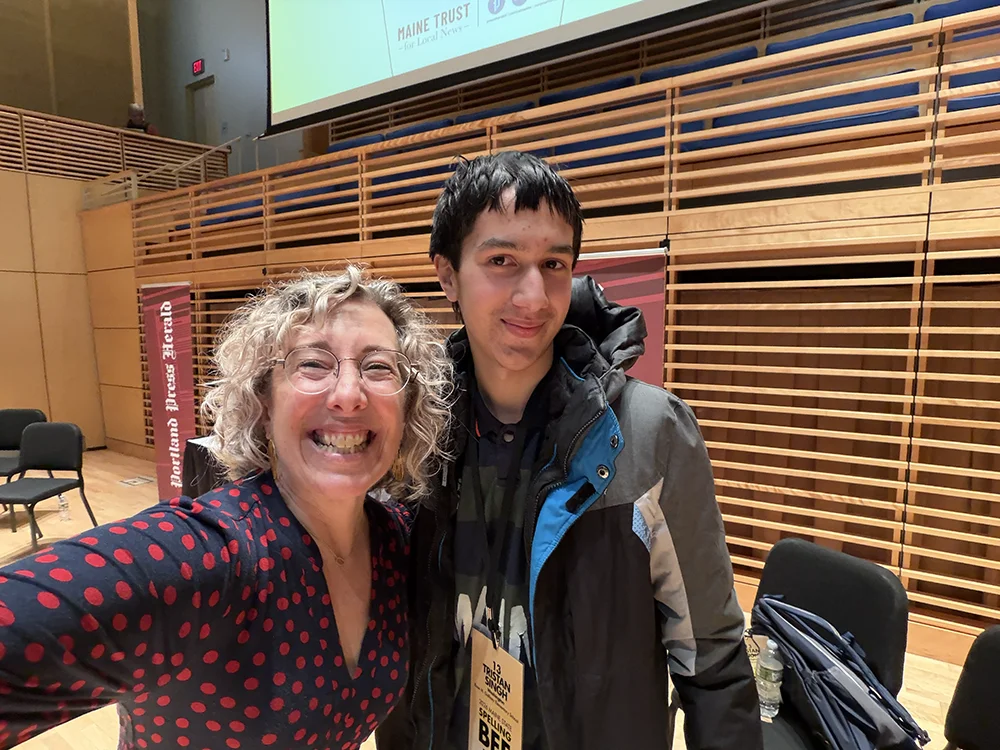
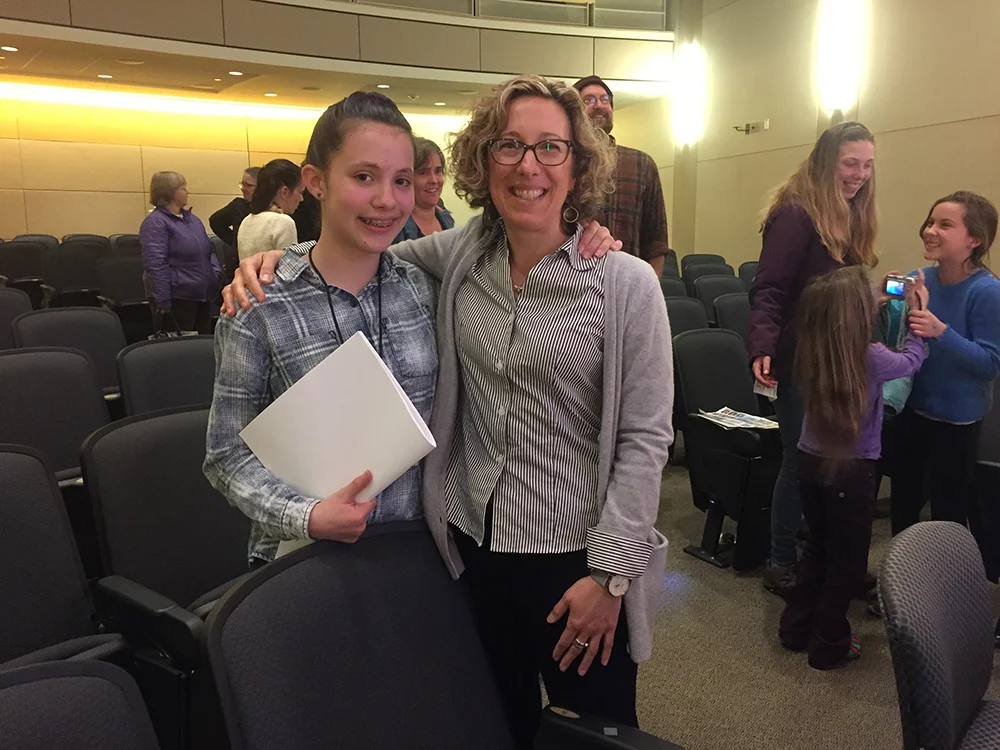
For more than fifteen years, I have pronounced the words at the Maine State Spelling Bee. This has been one of the great, unexpected joys of my career and one of a limited number of privileges that come with having earned a Ph.D. in classical studies. If you are curious, this year’s winning word was “stratosphere,” a word formed from both ancient Greek and Latin roots.
You might wonder why—in this age of artificial intelligence—we are still holding spelling bees. What is the modern purpose of an antiquated contest designed to answer a question our phones made obsolete years ago? The answer is that spelling bees are not in fact about spelling. Spelling bees offer a field of competition to those not inclined to athletics but to academics and they celebrate academic achievement in a way that is open to any interested student: if you are inclined to learn the rules of etymology and memorize words, you can thrive in the world of spelling.
But spelling bees offer more than academic competition. They offer something ever more rare and ever more valuable in this artificial age. Today, one of the most important lessons spelling bees offer is how to fail. In each bee, with a single exception, everyone loses. In fact, each year, before the Maine State Spelling Bee, we take care to remind our young spellers of the cruel truth of the bee: with one exception, everyone is there to lose. To make it into the Maine State Spelling Bee is to win. And to sit on stage at the Maine State Spelling Bee is, statistically speaking, to lose.
This in itself is a critical lesson, but the teaching of the Bee doesn’t stop there. The way in which spellers lose is also instructive. Some misspell because of nerves: they misspeak or succumb to performance anxiety and make an error. Others misspell out of arrogance: they are overconfident and therefore rush or fail to reflect on their thinking before offering letters to the judges. Most spellers, mercifully, misspell from a simple lack of preparation or familiarity with the words they encounter, something they can easily correct with time and effort. Spelling bees offer many other life lessons as well, from poise and stage presence to enunciation to public speaking to understanding the advantage of availing oneself of every resource before making a decision.
If you have not been following the Maine State Spelling Bee, you are missing out. And if you’ve been looking for hope that human intelligence can still thrive in an artificial age, look no further than the old-fashioned spelling bee. The spelling bee is proof that while artificial intelligence may have made the need to spell obsolete, spelling as a practice still has plenty to teach when it comes to the realm of human intelligence.
With gratitude for Maine State Spelling Bee sponsor Maine Trust for Local News,
